VI A Language To Live In
On language, access, and articulation
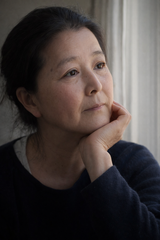
I did not begin writing in English
out of intention.
It came later.
As something I needed.
For a long time,
I lived entirely
within my native language.
It shaped how I spoke,
how I thought,
how I understood my place.
Everything moved within its structure.
Measured.
Implied.
Often left unsaid.
There were things I felt
that did not take form.
Not because they did not exist.
Because there was no space
to hold them.
The language carried history.
Expectation.
A way of being.
It favored what was appropriate
over what was true.
For years,
I moved within these limits
without naming them.
Later,
I encountered another language.
At first,
it was practical.
A way to function.
Then something shifted.
English allowed directness.
A sentence could stand
without negotiation.
I was not only translating.
I was thinking differently.
What had been vague
became precise.
What had remained distant
became reachable.
Writing in English
did not change who I was.
It changed what I could reach.
There remains a distance
between the languages I carry.
One is rooted in history,
in family,
in what came before.
The other was entered later.
Less fixed.
Still forming.
I do not reject one
for the other.
I recognize
where I can breathe.
Where the sentence holds.
Writing in English
became, over time,
a necessity.
Not to escape the past.
But to live with it
more clearly.
In a voice
I could use.